Discover the legacy, ideas, and practices of one of the greatest advocates for an Afro-centered, plural, and humanized approach to education.
Creator of the Afro-Brazilian Civilizational Values methodology, Azoilda redefined the learn–teach–learn process, inspiring generations of intellectuals, activists, and educators.
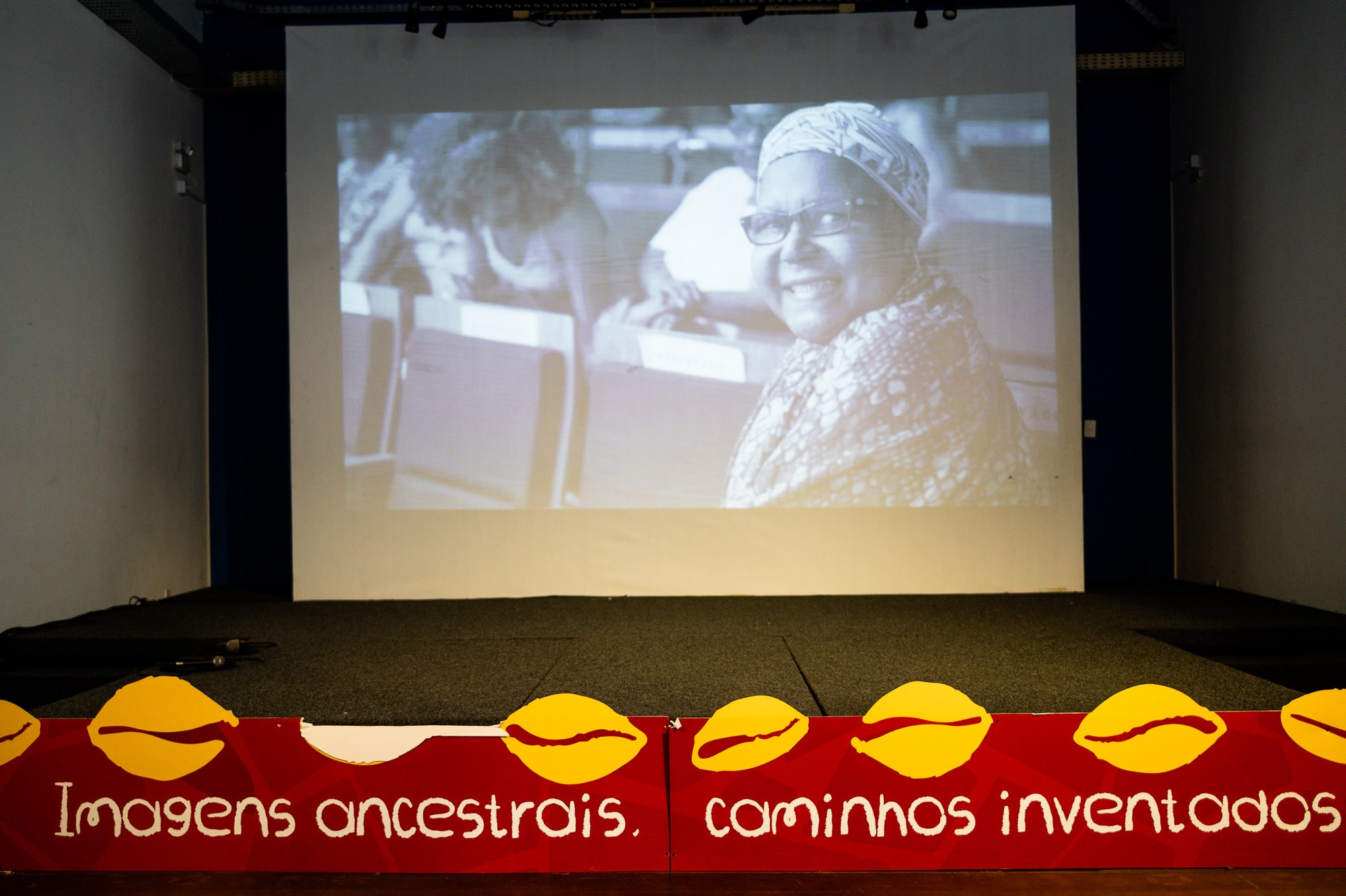
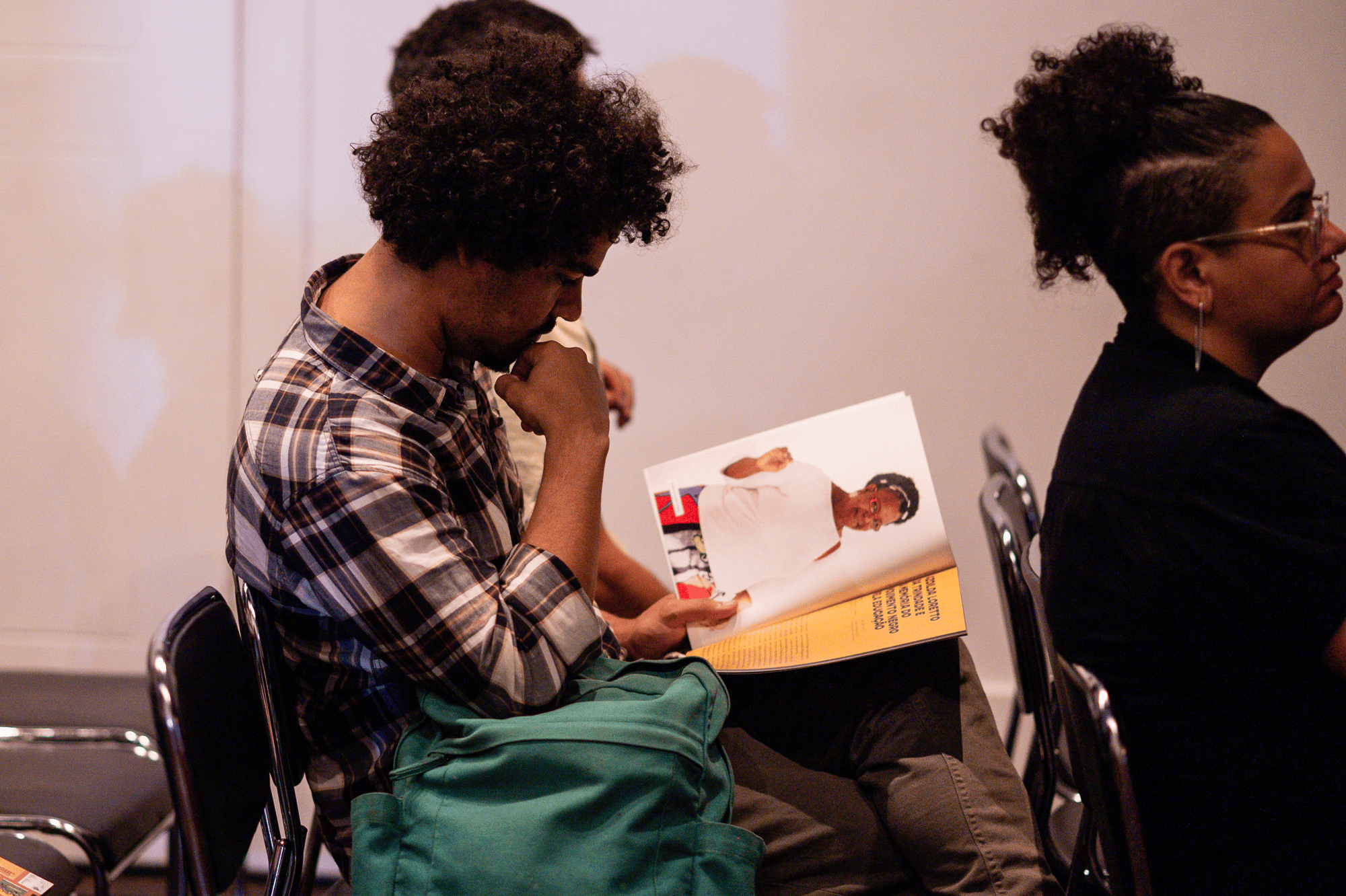
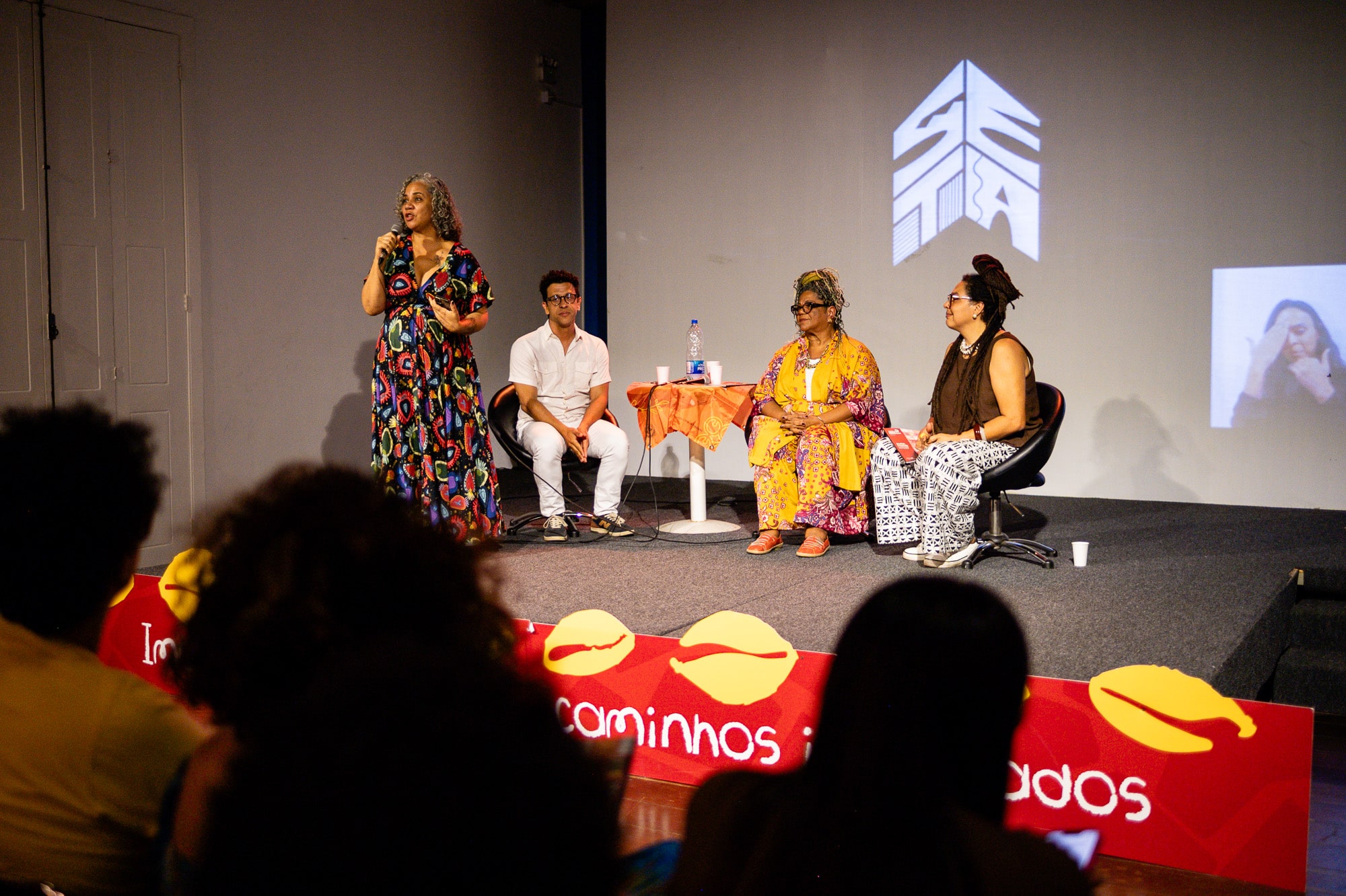
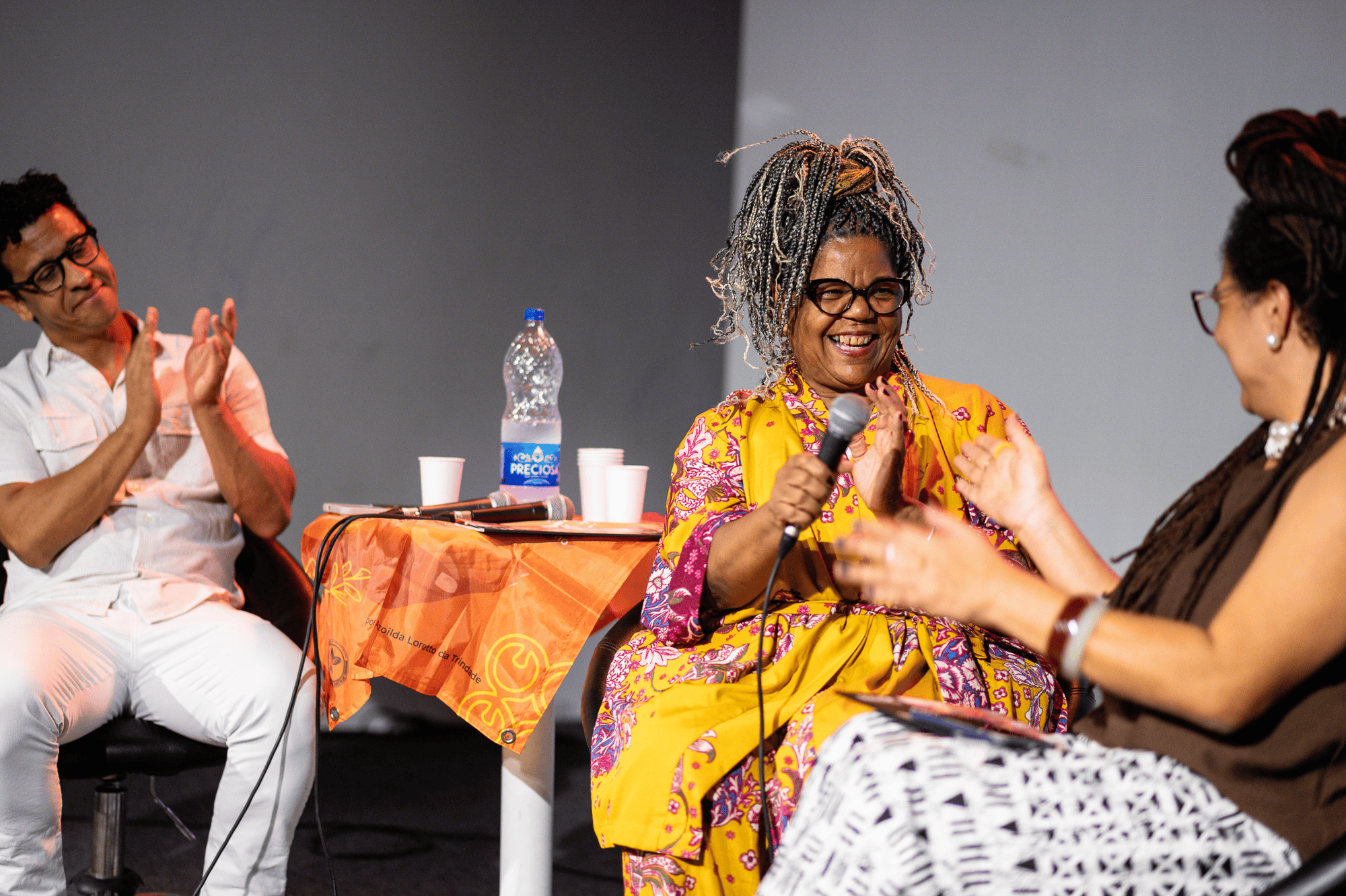
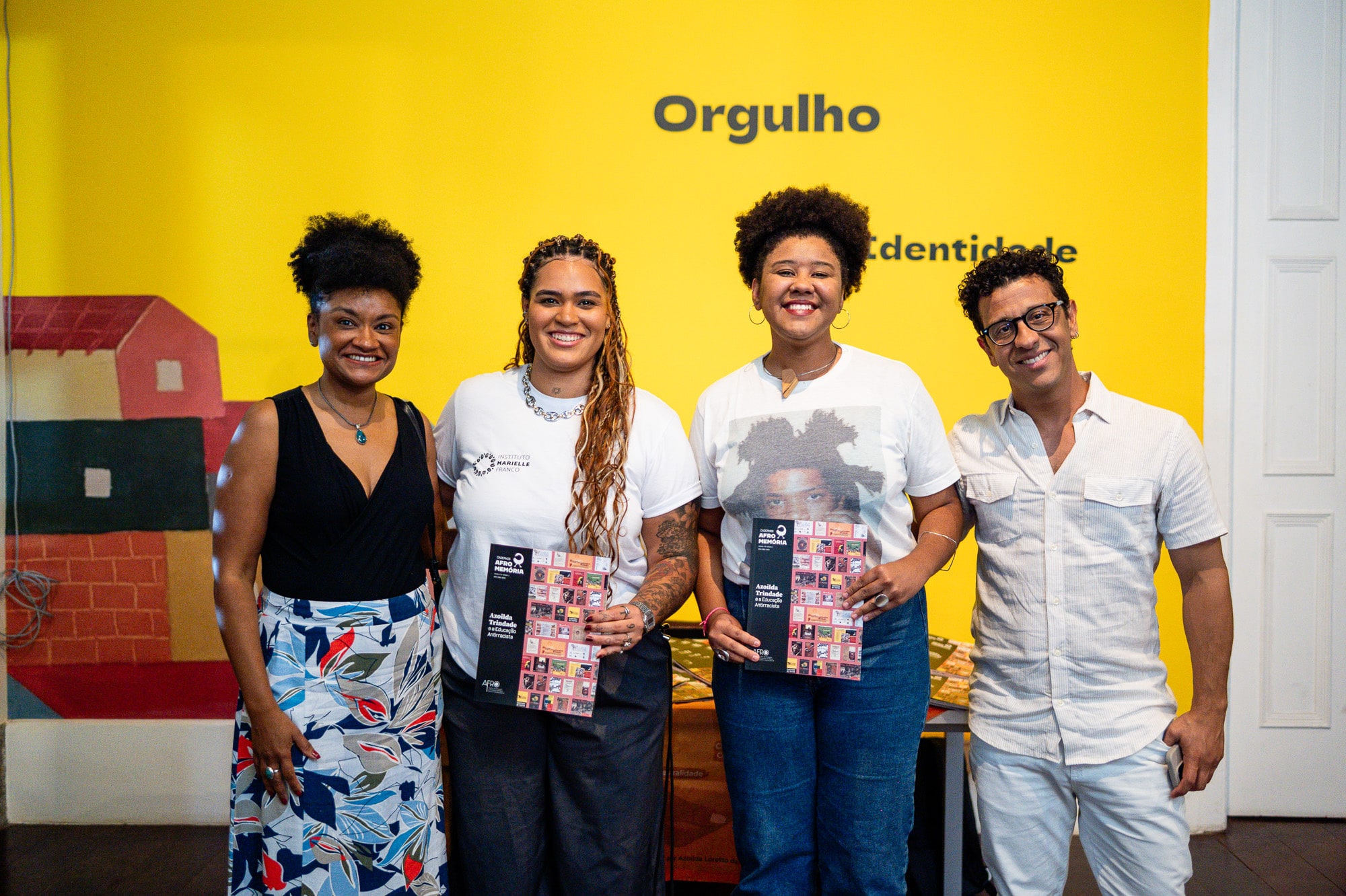
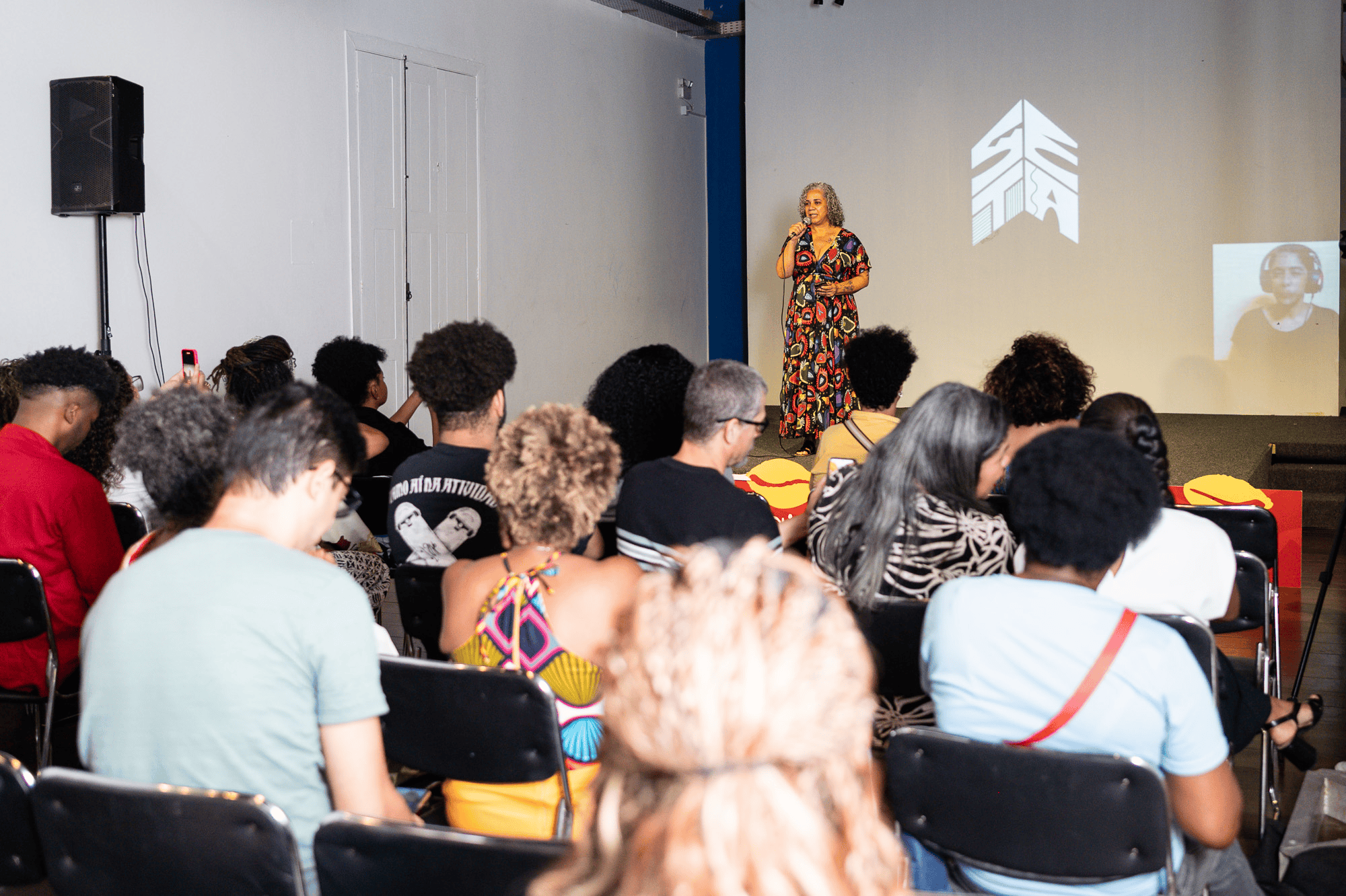
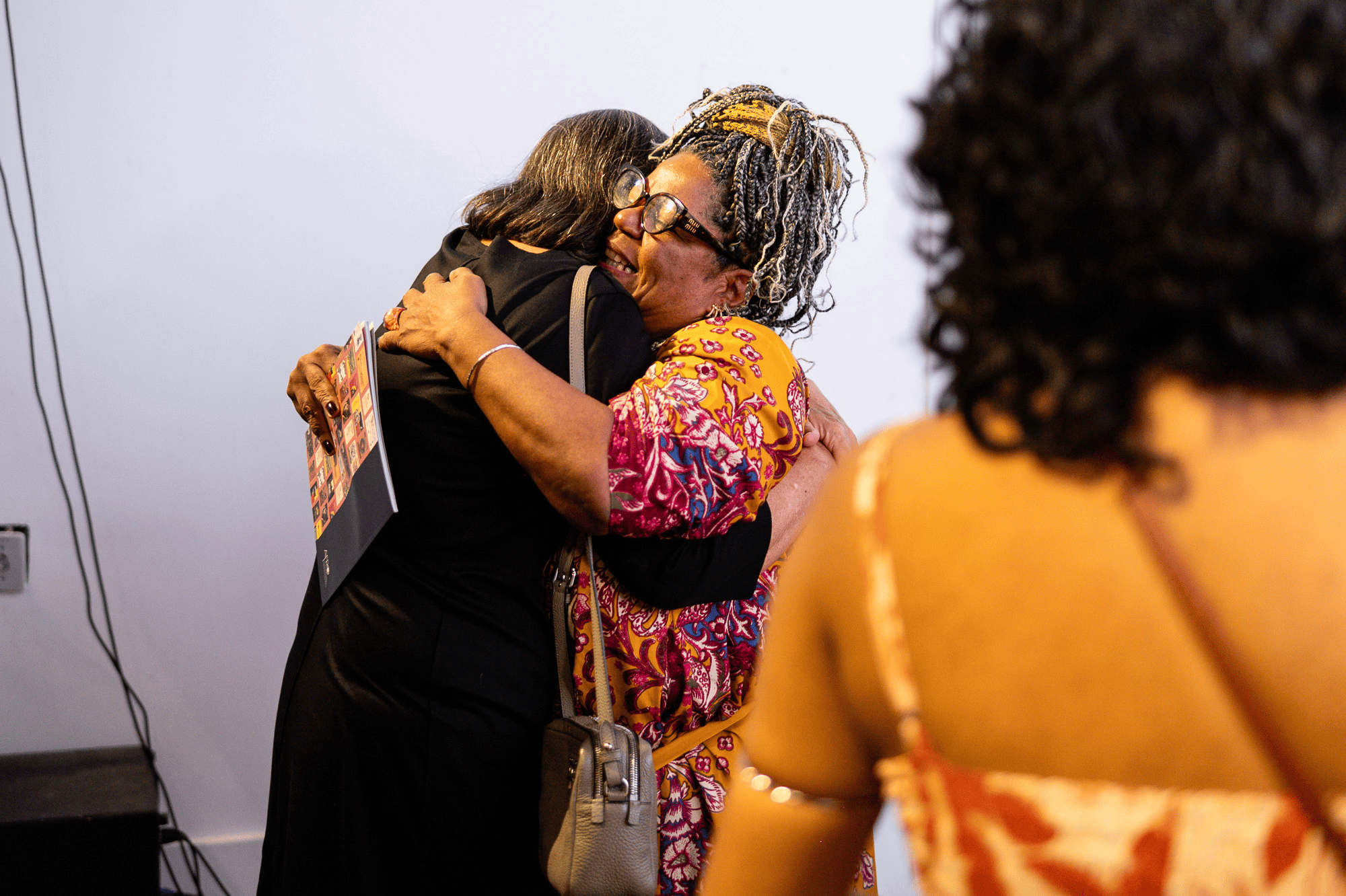
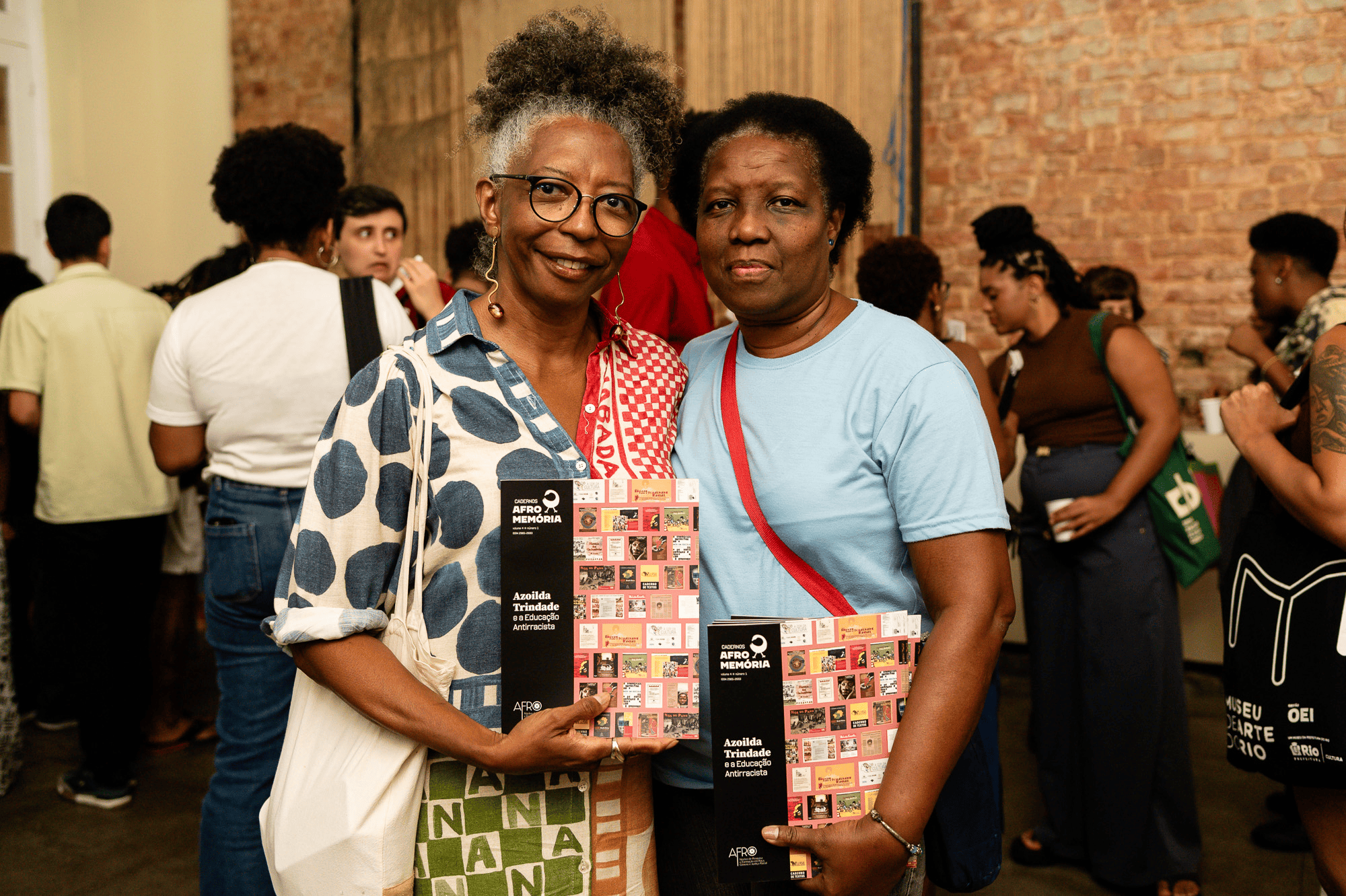
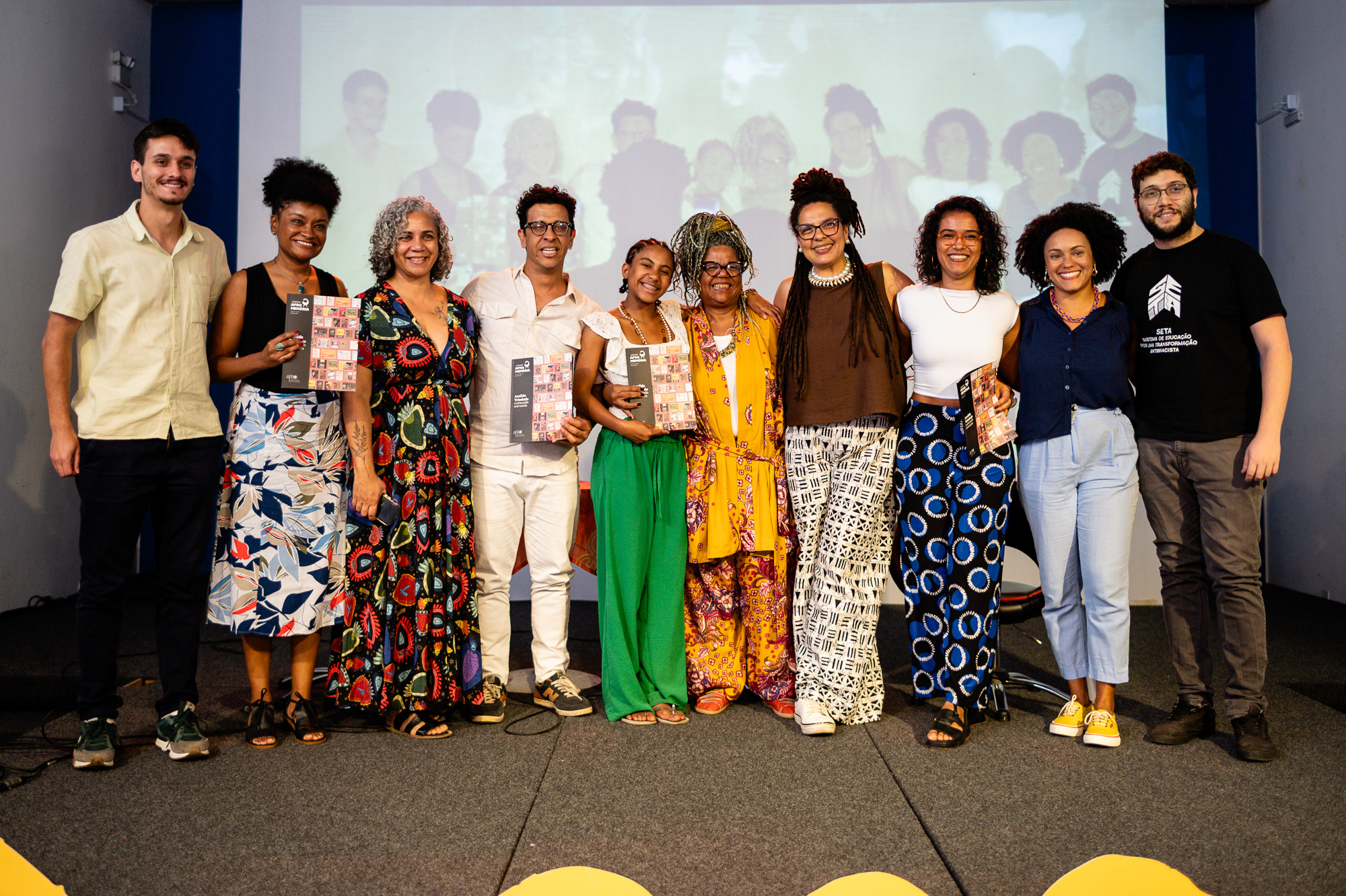
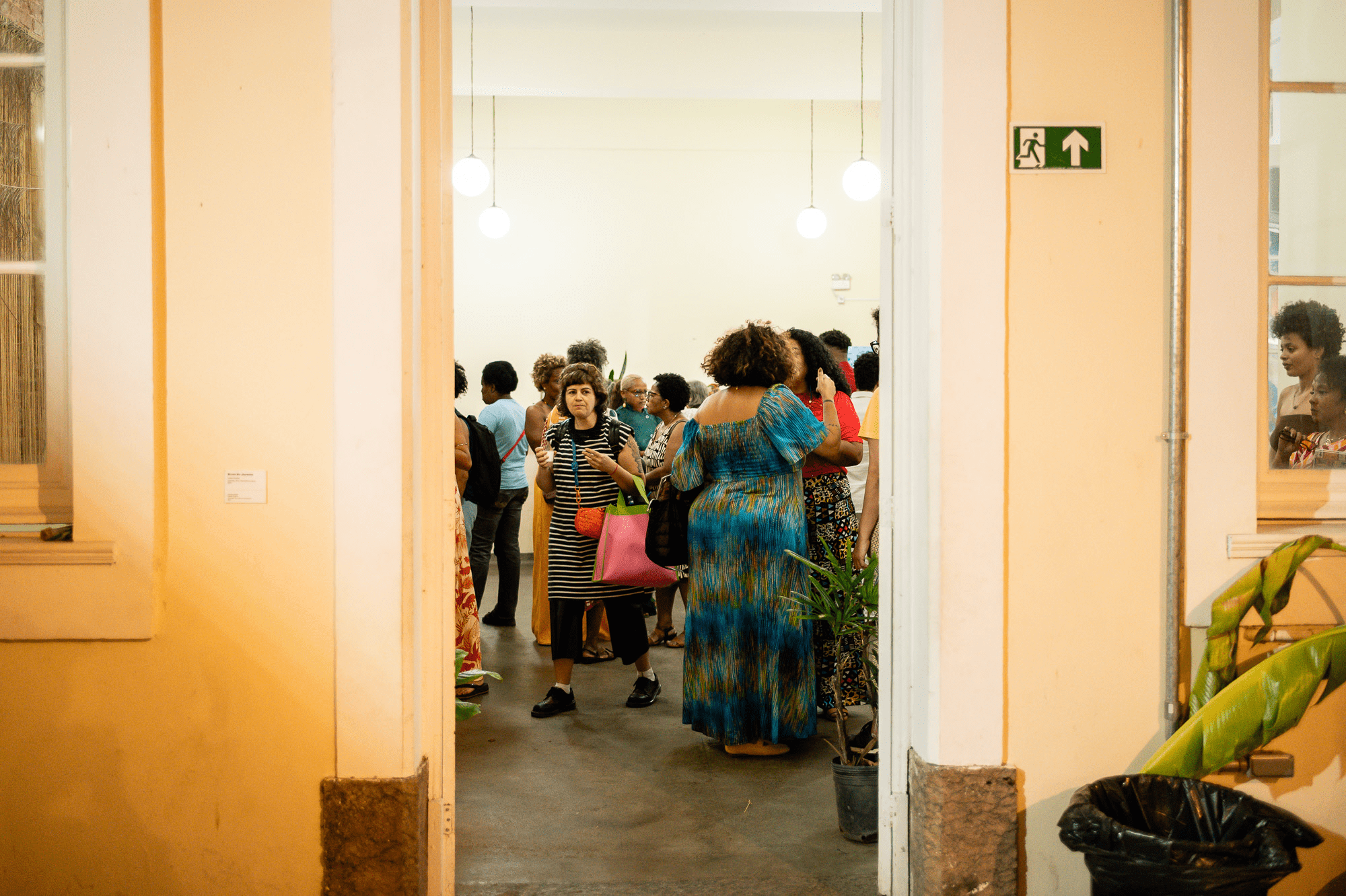
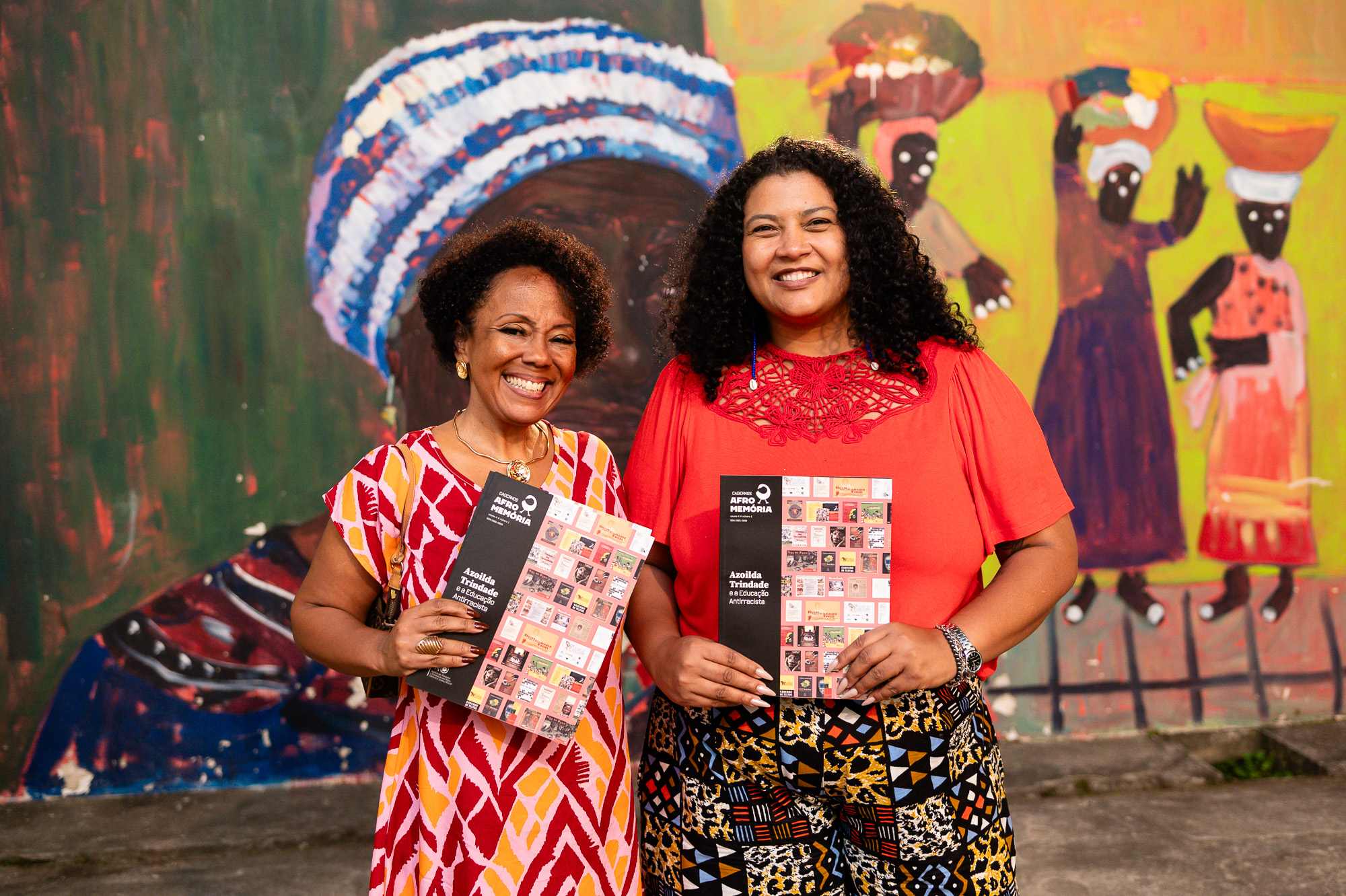
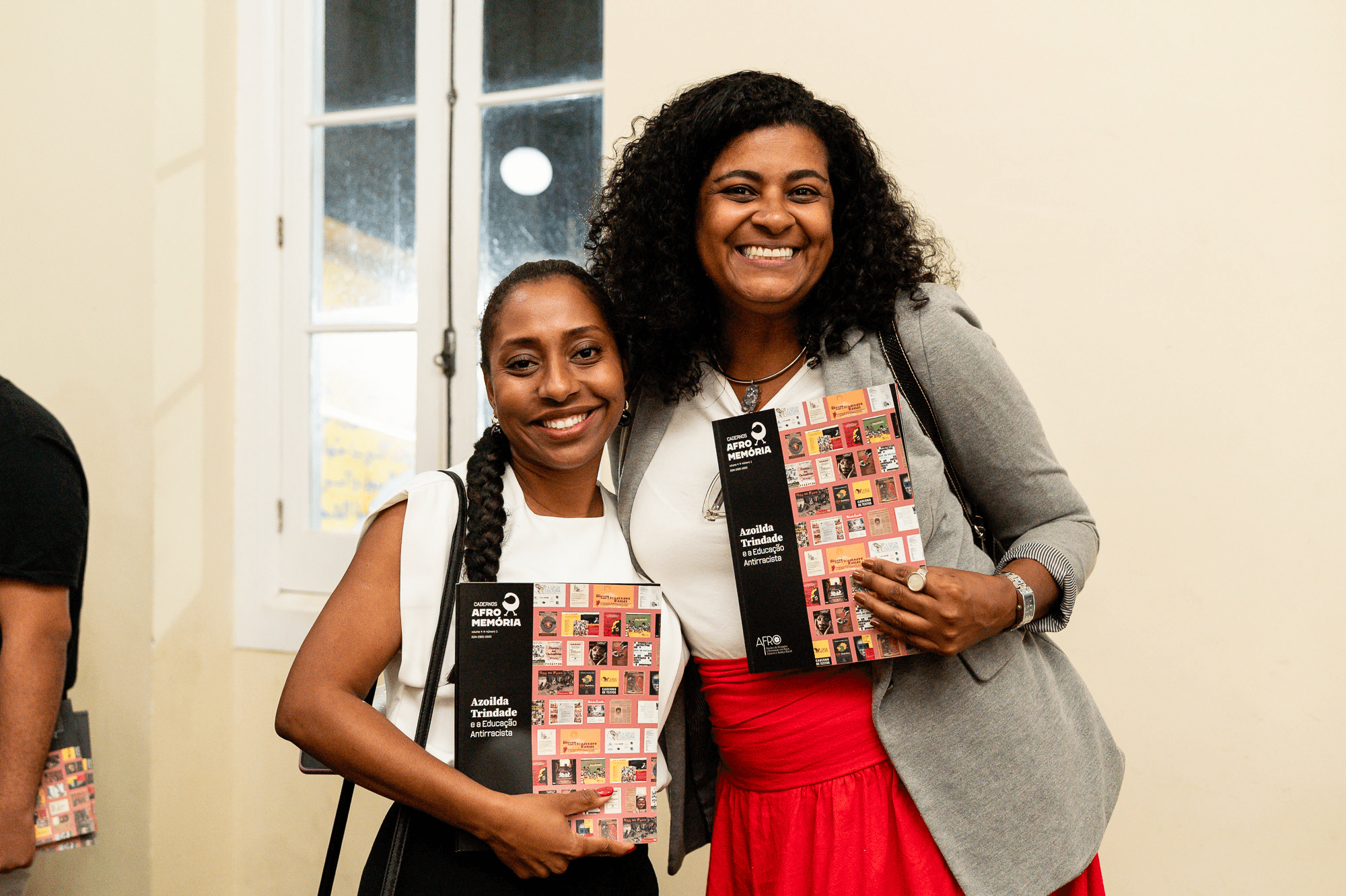
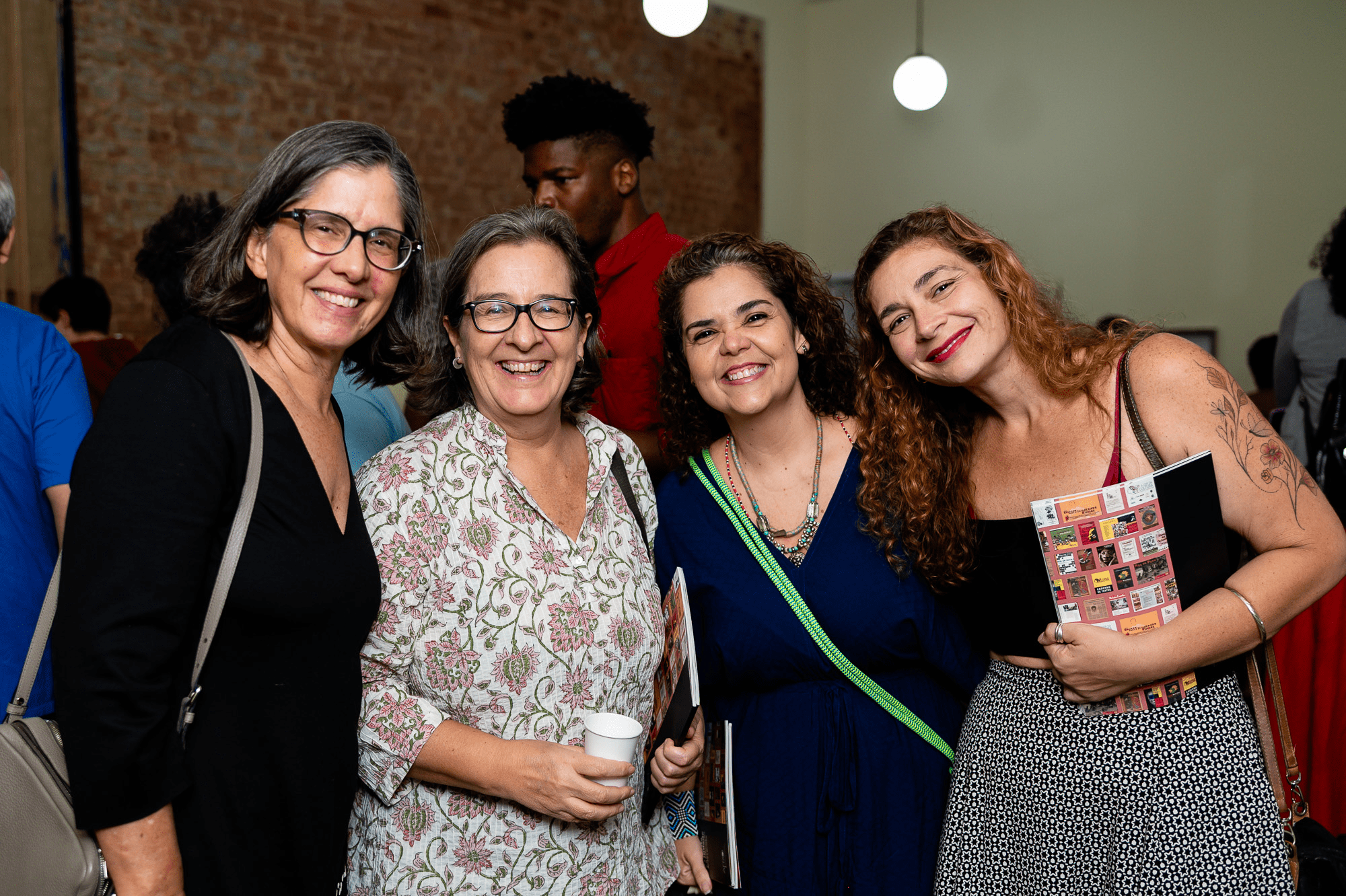
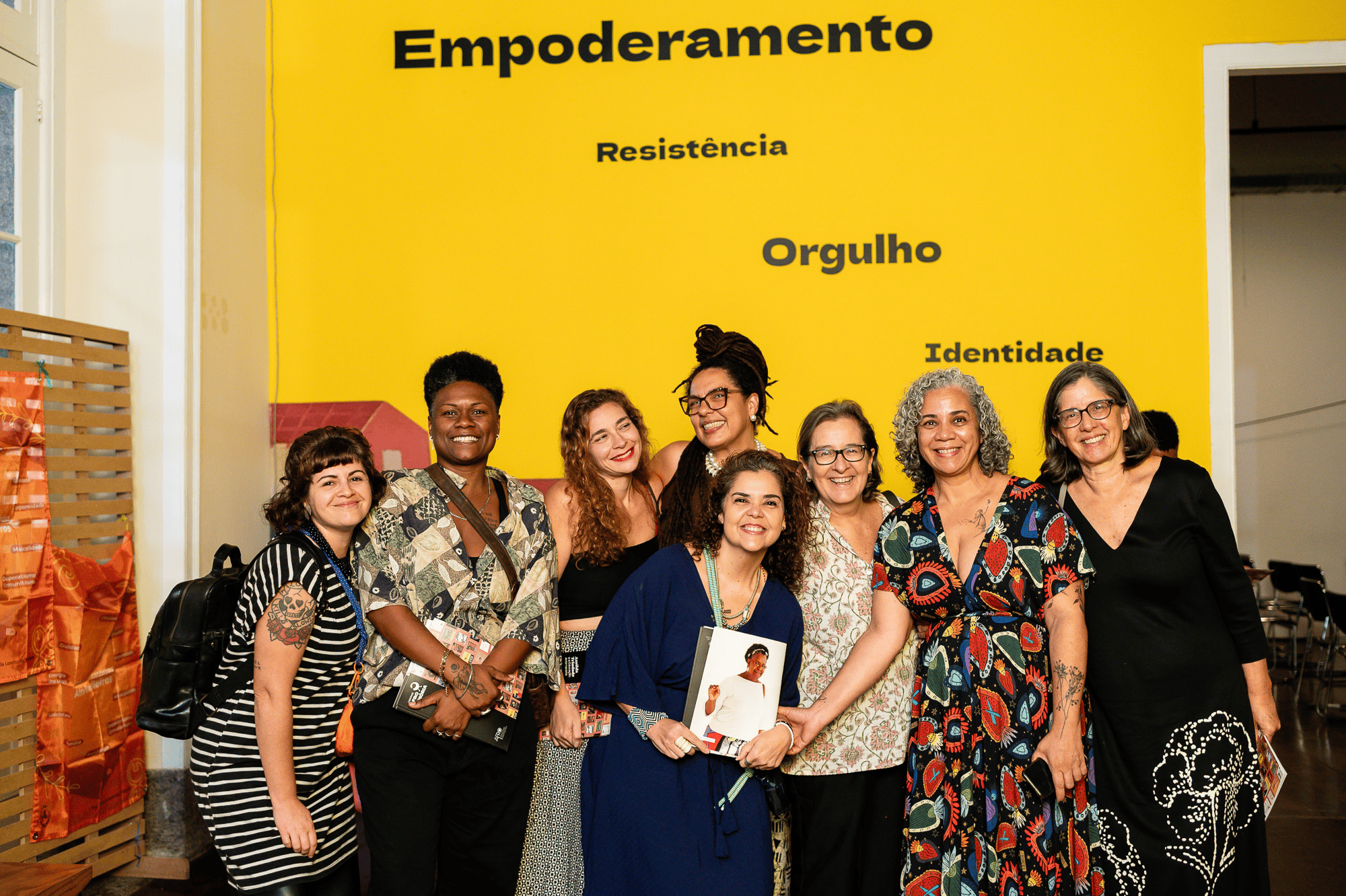
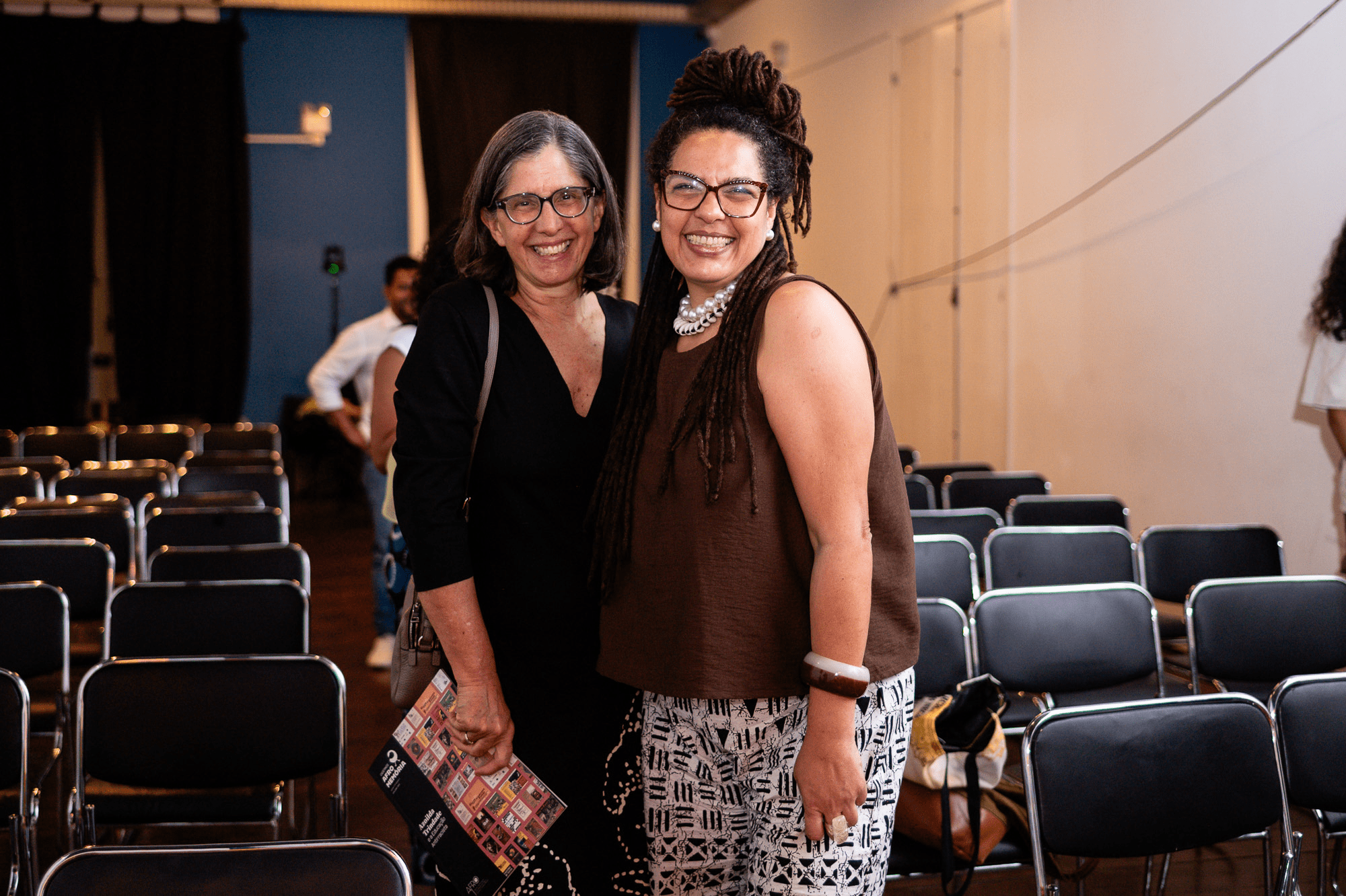
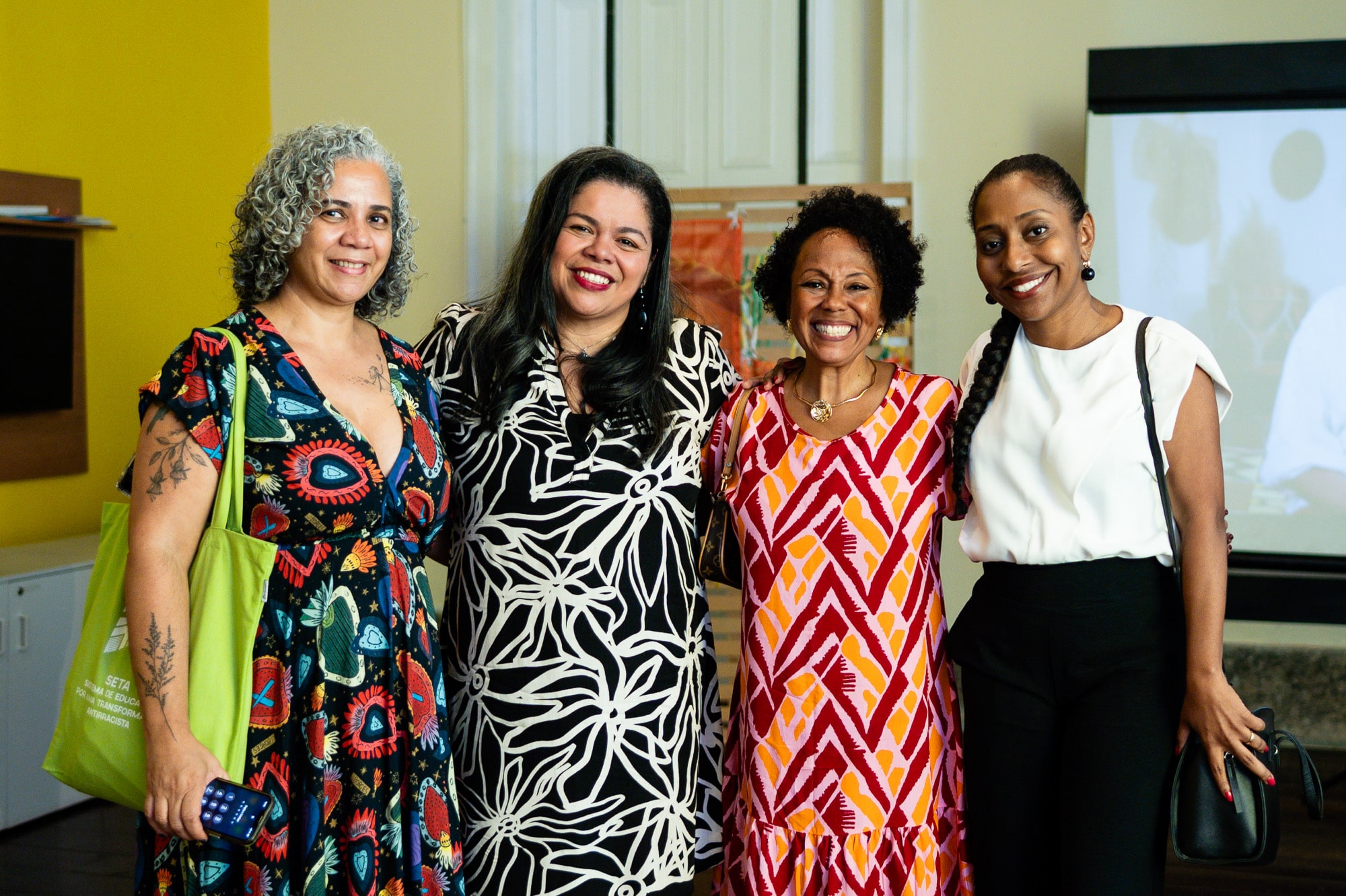
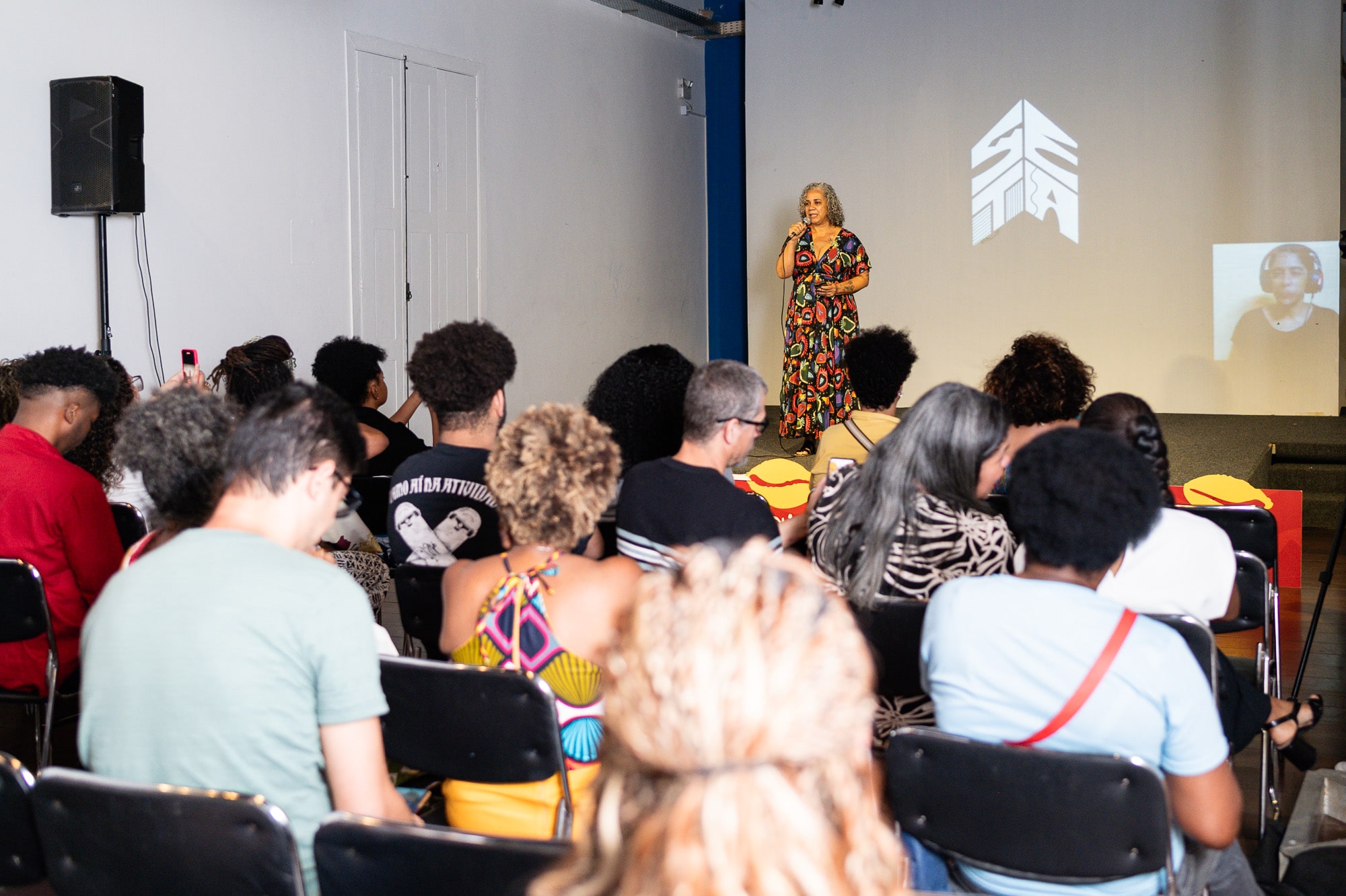
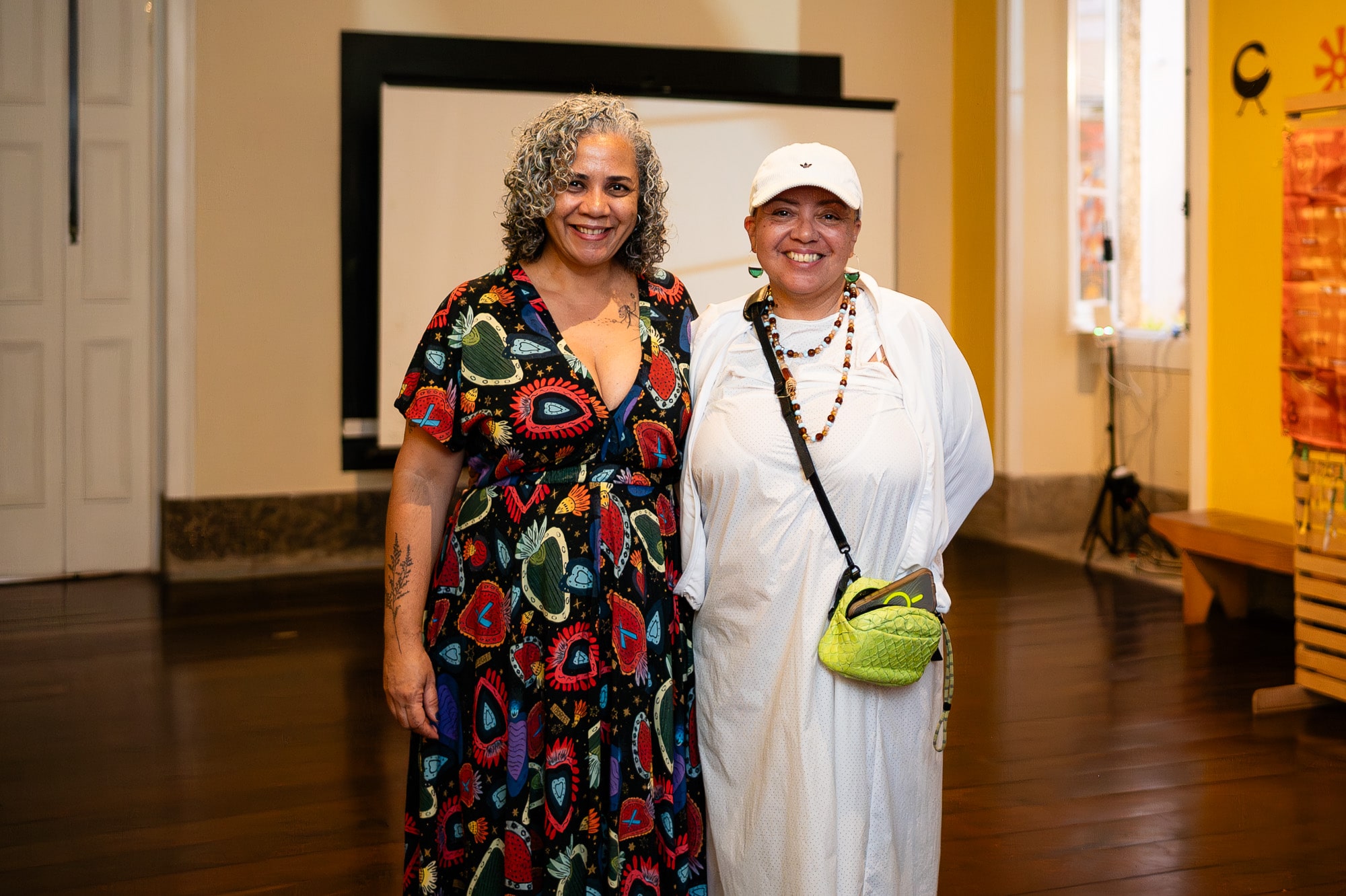
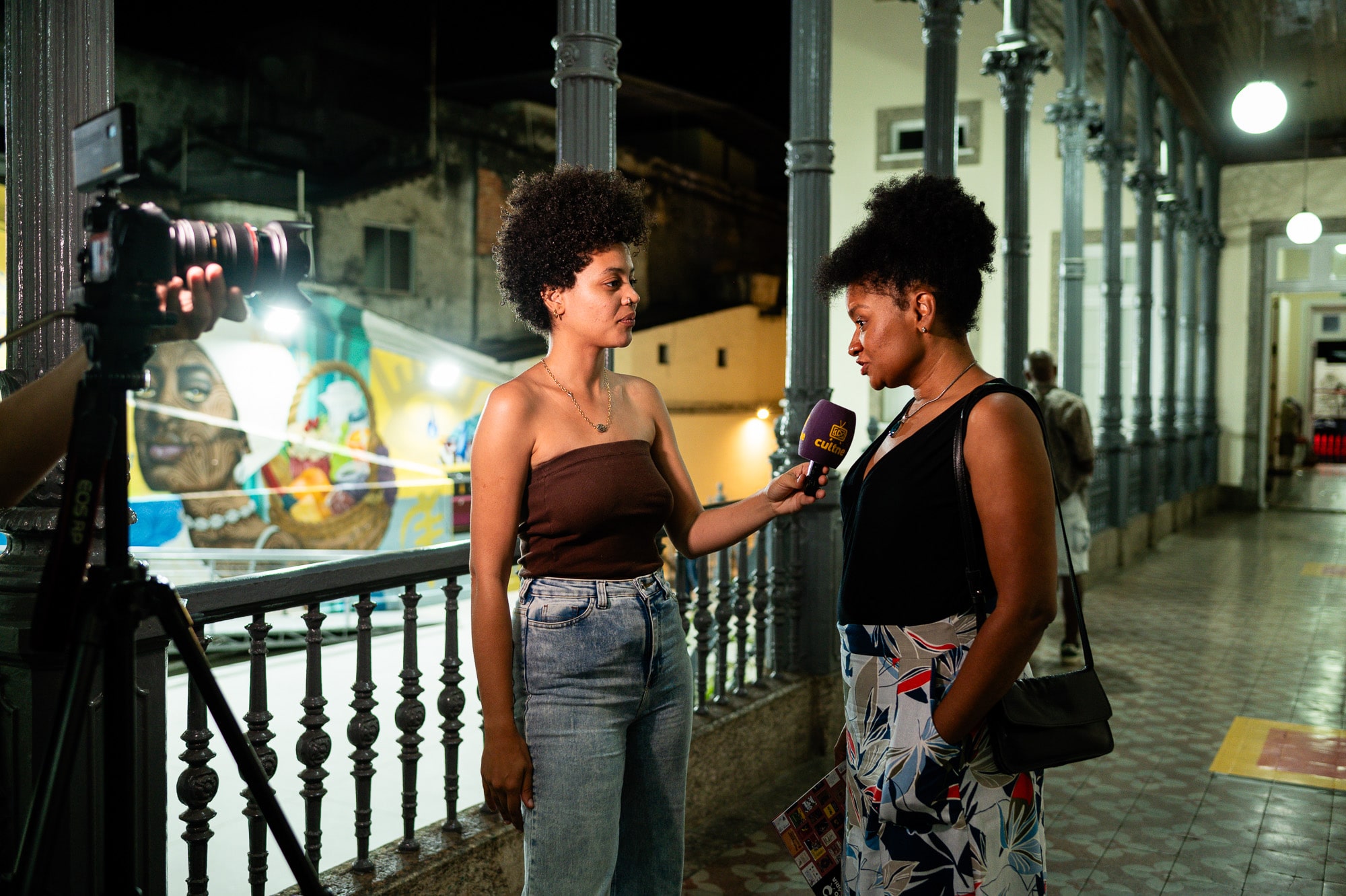
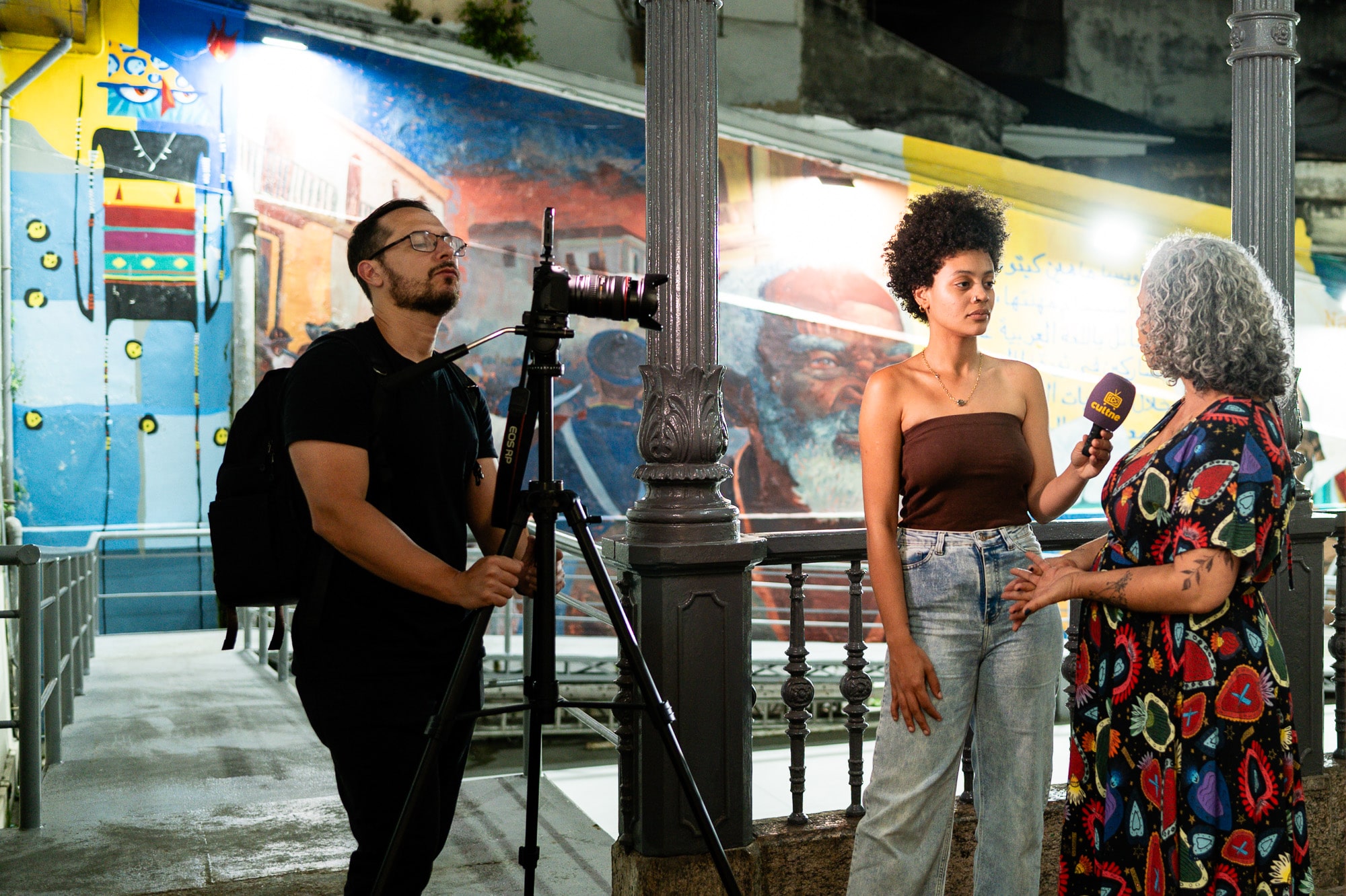
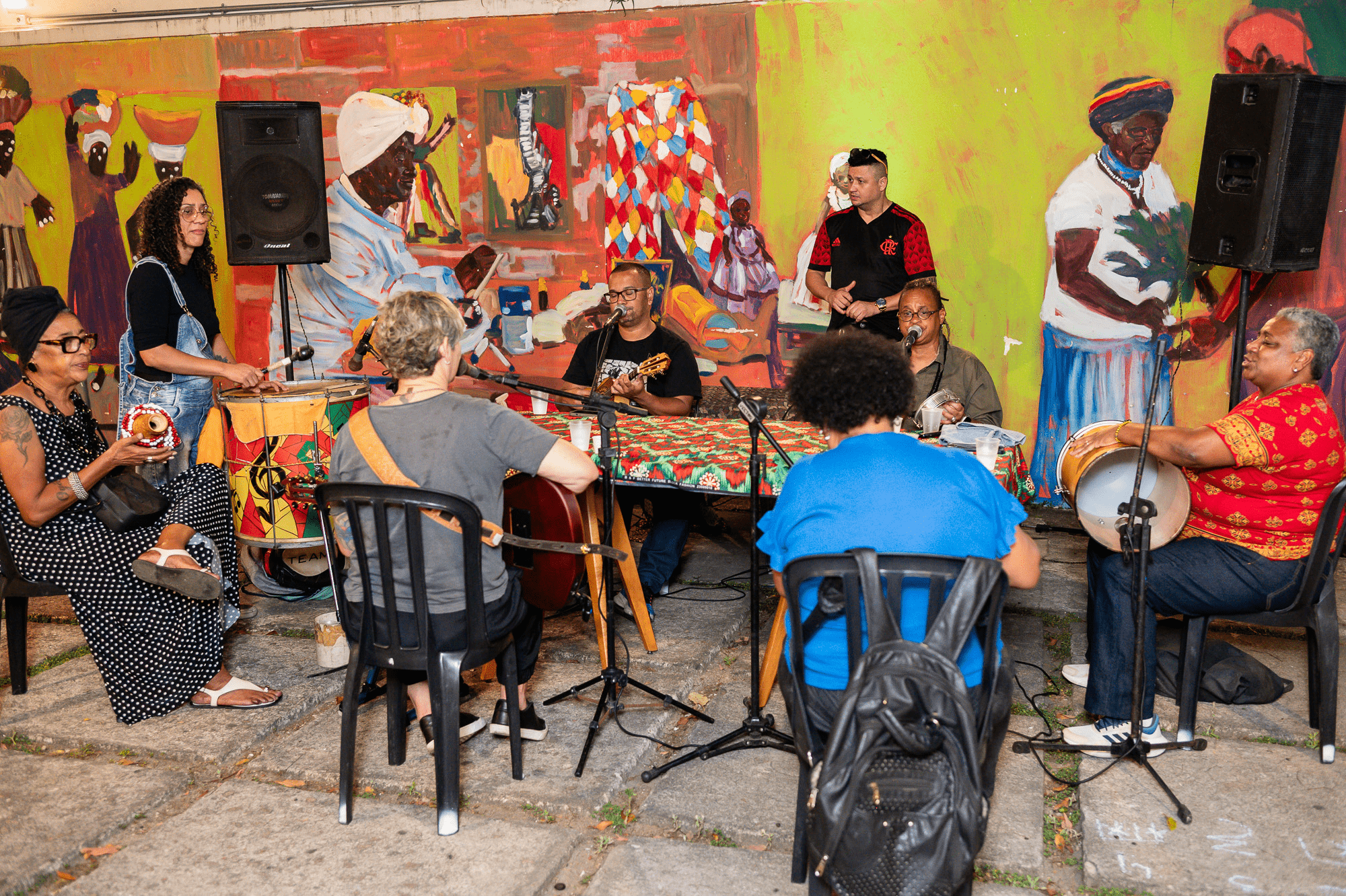
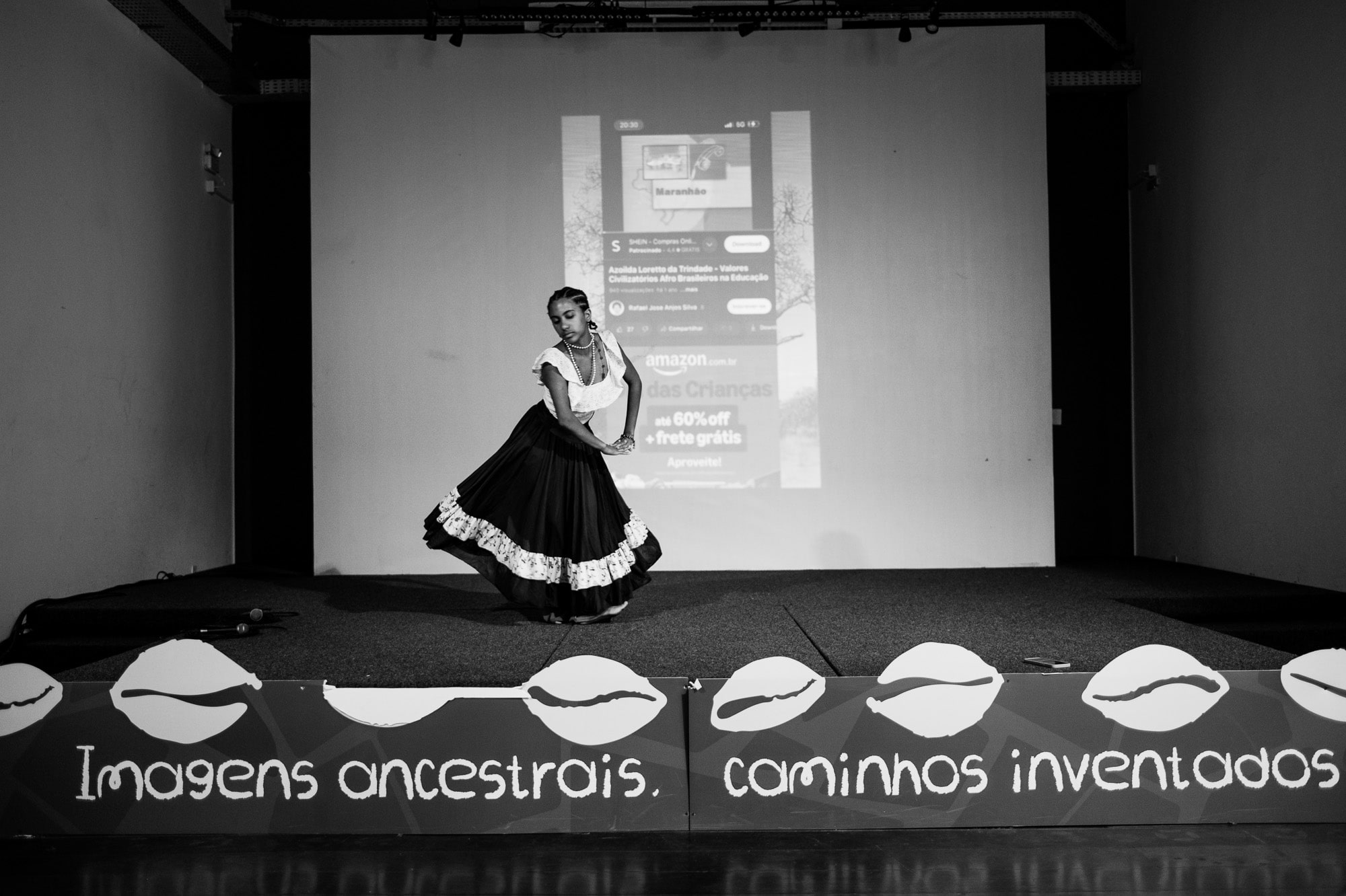
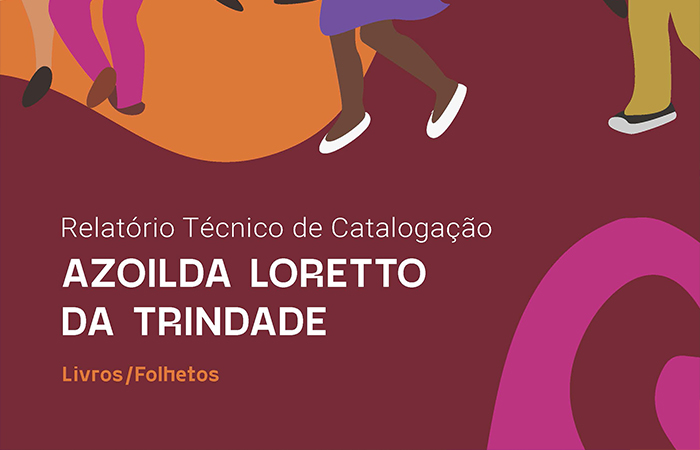
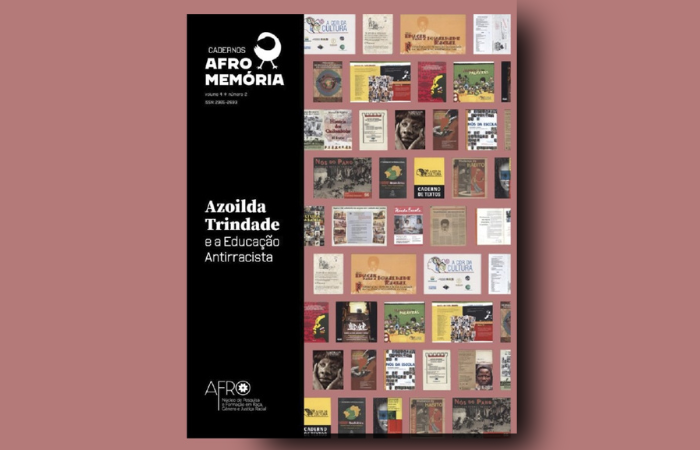
Ten years after the passing of Azoilda Loretto da Trindade (1957–2015), a heartfelt celebration of her life and legacy took place on October 1, 2025, at the Museum of Afro-Brazilian History and Culture (MUHCAB) in Rio de Janeiro, where guests gathered for the launch of Caderno Afro Memória – Special Edition: Azoilda Trindade.
Through this partnership, the SETA Project reaffirms its deep admiration for Azoilda, an inspiring presence and an essential reference in the advancement of anti-racist education. Download publication (in Portuguese)


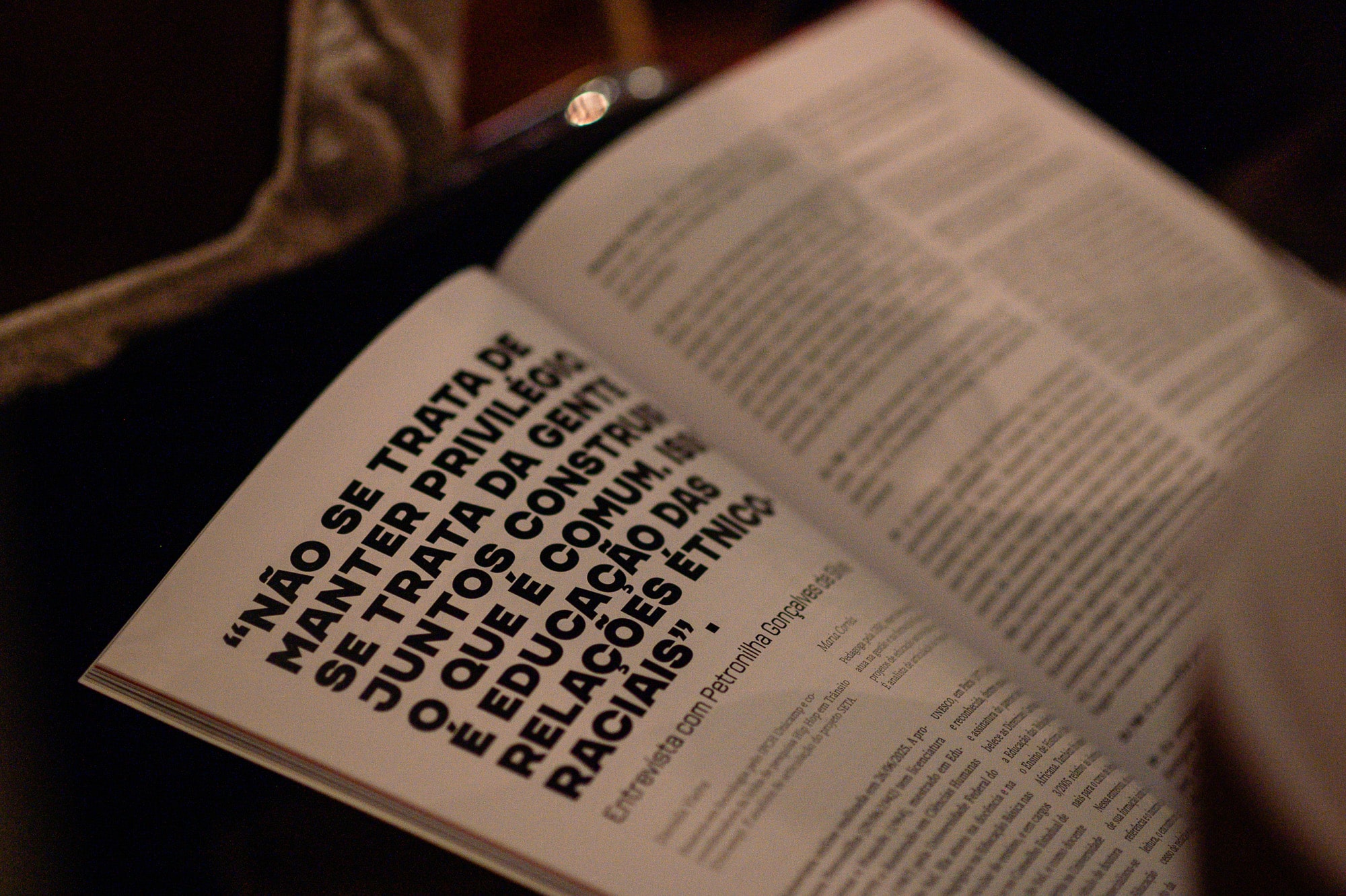
The collection, now available for public access, provides insight into her theories and practices — essential foundations for building a high-quality, anti-racist educational ecosystem. (Portuguese version)
A tribute to the educator, featuring eight unpublished texts that revisit her ideas and life journey.
This publication is the result of a partnership between Afro-Cebrap and the SETA Project, reaffirming their commitment to ethnic-racial relations education (ERER) and the strengthening of an anti-racist school ecosystem. (Portuguese version)
The SETA Project recognizes Azoilda as a central reference in its initiatives focused on racial equity and anti-racist education.
This connection reflects the deep emotional and intellectual bond between SETA and the educator’s vision — a relationship that began with the “A Cor da Cultura” initiative by Canal Futura.
Watch now!
We have put together the answers to your main questions into categories. Just click on the subject you are looking for to filter the questions already answered.
Black, indigenous and quilombola girls and young women transform communities and school culture to be anti-racist and equitable. We understand, therefore, that the place of black, indigenous and quilombola girls is at school. Therefore, we will act intentionally to build a transformative educational system that promotes dignity at school.

Educators trained through initial and continuing training programs and supported with educational resources and guidance from education managers. Furthermore, they have the autonomy to incorporate anti-racist and non-sexist educational practices due to institutional recognition of the importance of these themes, with accessible and quality material support.
Subscribe to our newsletter and stay up to date with our activities and opportunities for joint actions.